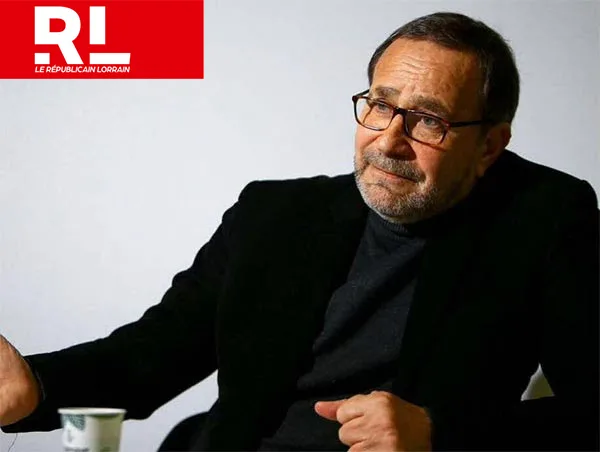
Le Républicain Lorrain has published an article on the experience of Professor Raphaël Pitti, humanitarian doctor in Gaza. Through this interview, the newspaper sheds light on the dramatic situation in hospitals and the lives of civilians.
Two missions to Gaza in 2024
The journalist asked Professor Raphaël Pitti what he faced day to day during his two missions to Gaza in 2024.
The professor replied that in January 2024, for two weeks, he worked at the European Hospital in Gaza, near Rafah. He was part of a team of seven doctors, and they witnessed a humanitarian catastrophe, with one and a half million people displaced to Rafah. Some were living inside the hospital. Conditions were dramatic, because nothing had been prepared to receive them. People built their shelters out of tarpaulins and rugs.
He explained that this made daily life extremely difficult for the displaced population.
The situation inside the European Hospital
The journalist asked what the situation was inside the European Hospital.
The professor replied that the emergency department was permanently full, having to meet the primary health needs of the displaced population as well as those of patients with multiple injuries from the bombardment.
He added that, for lack of space, the most seriously wounded lay on the floor and all care was given on the ground. He noted that children were living inside the hospital and watched out of curiosity what was happening, despite the violence of the scenes.
He said this situation showed the complete collapse of the health system in Gaza.
Opening an emergency orphanage
The journalist wanted to understand how the orphanage project in Gaza came about.
The professor explained that from March 2024, no food was entering the Gaza Strip any more and famine was beginning to appear. People had lost all sense of solidarity and were fighting over food. They were completely dehumanised.
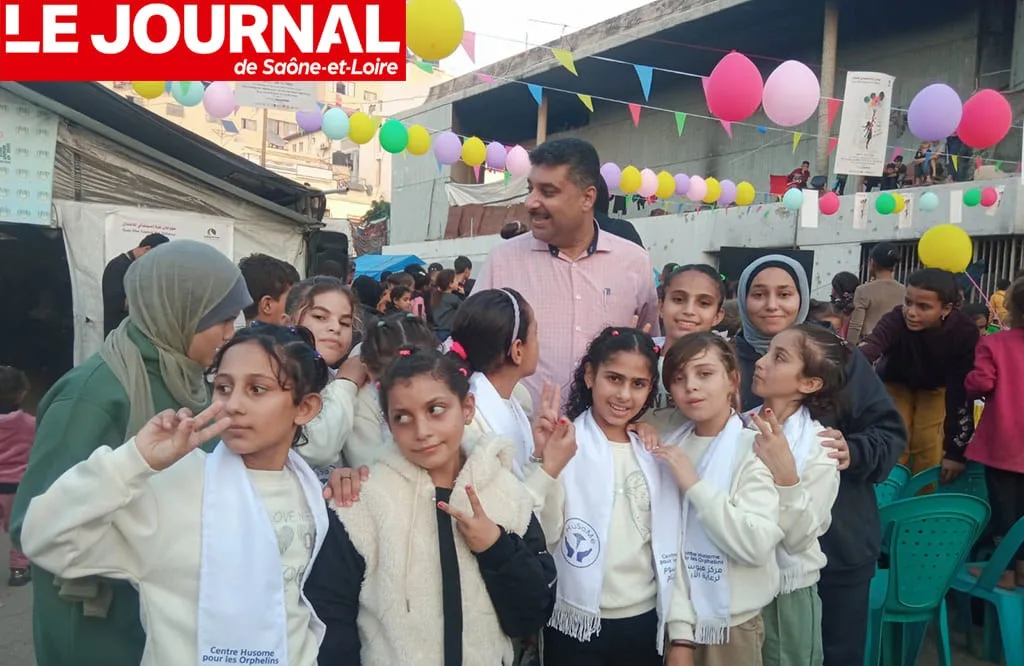
He said that, in this context, they came across children alone and isolated, sometimes with cooking pots to feed themselves. These children were the sole survivors of their families. He added that his team rented a villa and went out into the streets to take these children in. Thirty-five children were brought to safety. He said this urgent care was necessary for their survival.
The future of these children
The journalist wanted to know what would become of these children.
The professor replied that one had to hope a ceasefire would be established and that the authorities would organise an orphanage.
He added that his team was working with a lawyer, in liaison with the Red Cross and WHO, to trace family members who may have fled to the West Bank or elsewhere.
He stressed that these steps were essential to ensure a secure future for these children.
Structural humanitarian projects
The journalist wanted to know what other projects had been carried out to help the people of Gaza.
The professor replied that, in collaboration with Médecins du Monde and Caritas Jerusalem, four primary health centres had been built.
He added that access to drinking water was also crucial and that today 600,000 litres of drinking water were distributed every month.
He concluded that this work aimed to provide concrete, lasting support to the people of Gaza, beyond the medical emergency.