Why train
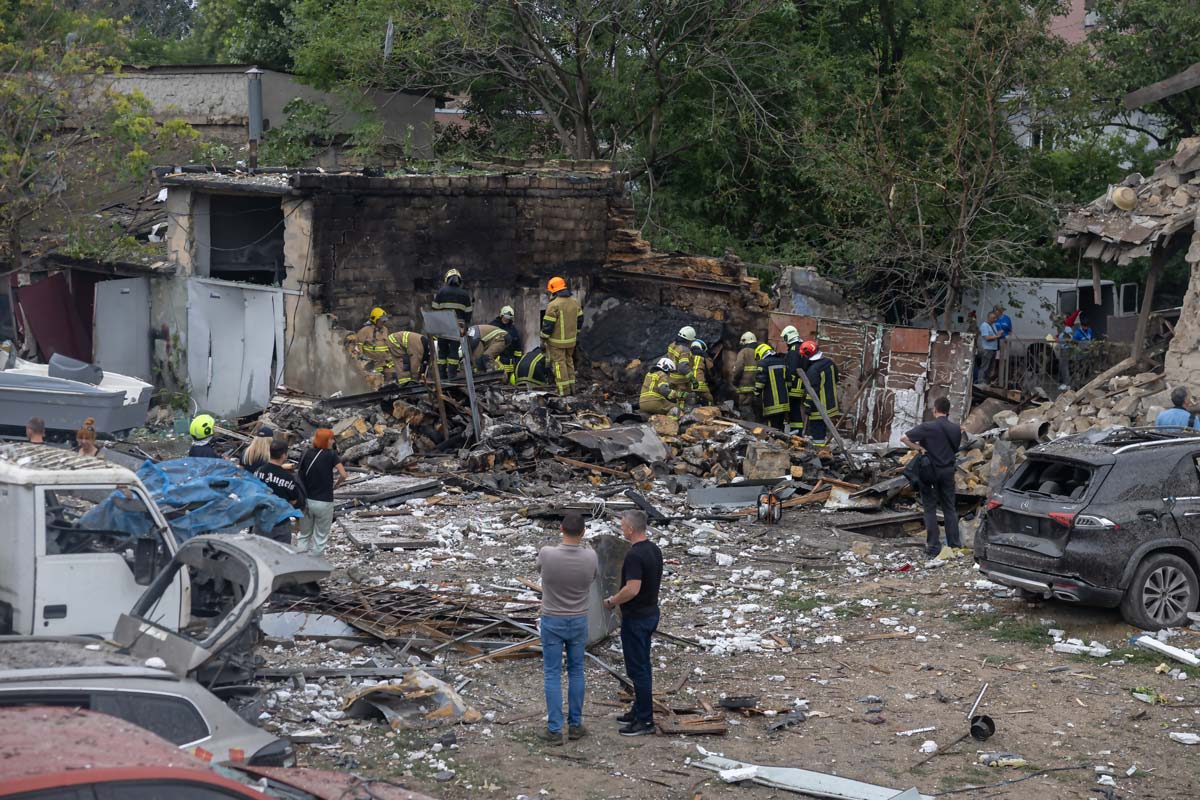
The war that began on 24 February 2022 continues to take its toll on Ukraine’s health system. Attacks on energy infrastructure make it harder to supply hospitals, and the need for health workers trained in war medicine remains high.
The statistics on the care of the seriously wounded speak for themselves: half die within the first hour, most often from asphyxia or haemorrhage. Rigorous training in damage control saves lives.
Institutional roots
HuSoMe is registered in Ukraine as an NGO under Ukrainian law. Its activity rests on a memorandum signed with the medical service of the Ukrainian Ministry of Defence, and on sustained cooperation between the Faculty of Medicine in Nancy and Danylo Halytskyi Lviv National Medical University.
The year 2025
The year saw 172 training sessions for 1,878 health workers. Ten different courses were offered, covering damage control surgery, nursing care in combat zones, paediatric care, chemical emergency medicine, psychological care, pain management, and stress management and burnout prevention.
The pace varied. January was devoted to setting up a project funded by Expertise France. From February to May, activity reached cruising speed, at more than twenty-five sessions a month. July was the peak of the year, with thirty-two sessions and 360 health workers trained.
The two most delivered courses, BLS + BC and TUSC-UA, meet the need to teach life-saving skills to all health workers, who are often first responders. The more technical courses — ACDCS surgery, TPLS, chemical training — involve smaller groups but require more resources: surgical equipment, dedicated rooms, qualified trainers.
A second operating theatre, opened at the Lviv Medical University vivarium in March 2025, doubled surgical capacity.
Key milestones
Pr Pitti’s visit to Lviv in January revived cooperation with the rector of the Medical University and secured new premises, twice as large as the previous ones. In May, a three-year agreement was signed with the public hospital to secure the premises of the Simulation Centre.
The team broadened its mission beyond the purely medical by organising two medical-psychological seminars in the Maniava mountains, in June and from 18 to 22 August.
Difficulties encountered
Several difficulties marked the year, and it would be dishonest to stay silent about them. The collaboration with La Chaîne de l’Espoir saw repeated friction, mainly over purchases of consumables, whose delays sometimes led the team to borrow equipment so as not to suspend training.
Ukrainian tax requirements also forced the team to retroactively contact some three hundred participants to collect their tax identification numbers, as accommodation and transport were considered taxable benefits.