A founding commitment
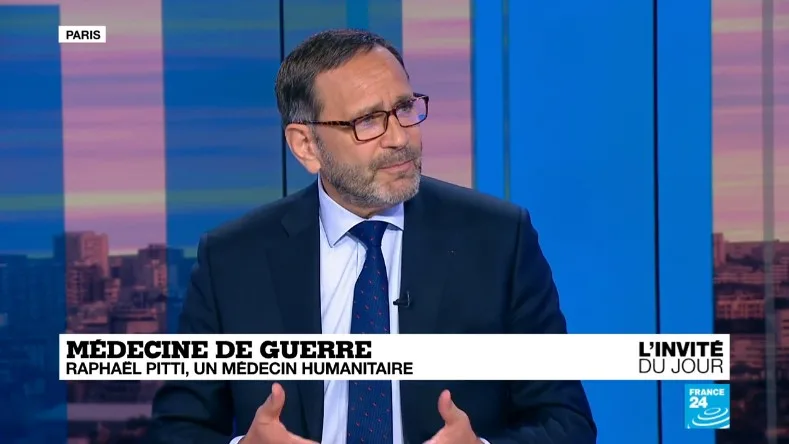
Syria is a long-standing area of operation for HuSoMe. Raphaël Pitti has worked there 38 times since 2011, sometimes clandestinely, notably during the siege of Aleppo. This commitment, carried out alongside Syrian doctors and in liaison with UOSSM International, helped shape the organisation’s identity.
In 2023, the organisation activated a crisis unit in response to the earthquake that struck Turkey and Syria: distribution of food and tents, support for rebuilding infrastructure, supplies for hospitals.
The IBSAR programme
“The right to see is a right to life.”
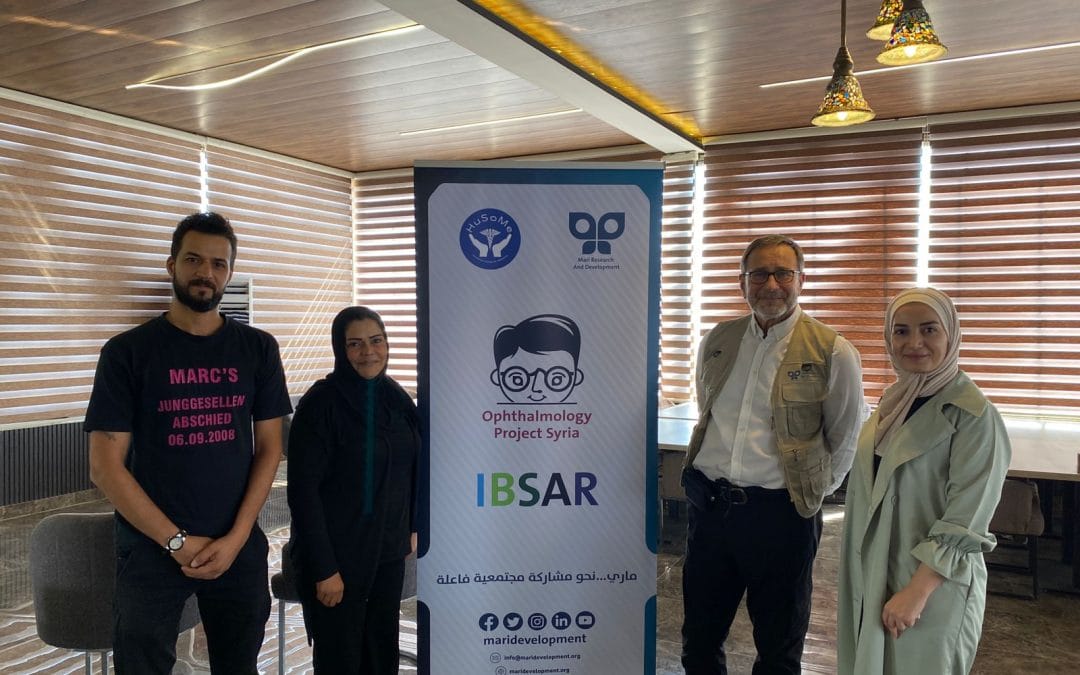
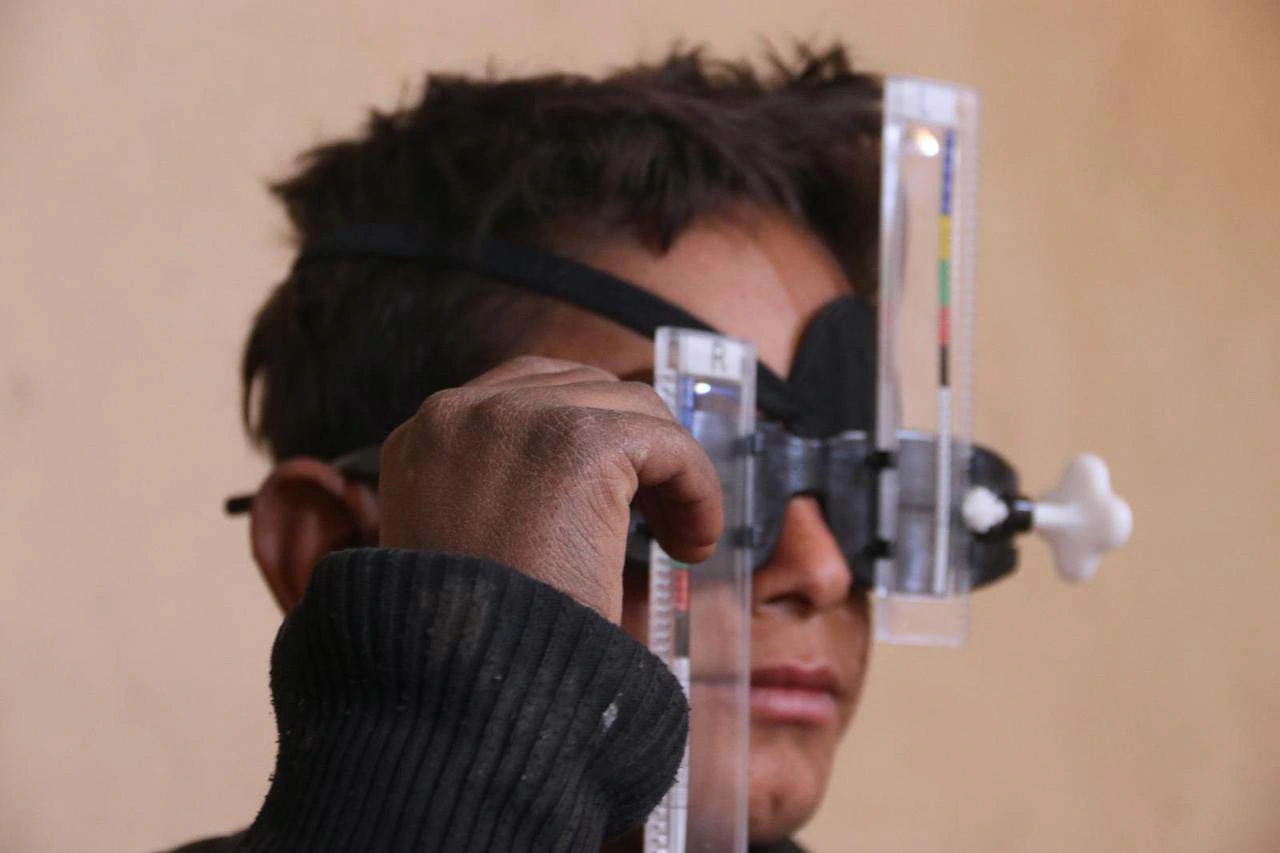
The IBSAR programme aims to correct the eyesight of children and adults in the displacement camps of the Deir ez-Zor and Raqqa areas. Its first, pilot phase, run over three months in Raqqa, identified two predominant conditions: cataracts in adults and strabismus in children. On that basis, a second round, extended to both cities, was carried out in 2025.
The programme enabled 1,699 consultations and the distribution of 506 pairs of glasses. The ratio of one pair per 3.4 consultations reflects a careful approach: a consultation may conclude that no correction is needed, or lead to a referral for surgery.
The review of this second round revealed a malfunction: some surgical procedures carried out in hospitals did not systematically concern people in need. This led to stricter selection criteria for the third phase, now in preparation.
European medical congress in Damascus
From 22 October to 2 November 2025, Pr Pitti travelled to Damascus. He took part in the first European–Pan-Arab Medical Congress from 24 to 26 October, then led workshops in several Syrian hospitals. This strengthened institutional ties with the Syrian medical community.
Children living in great hardship
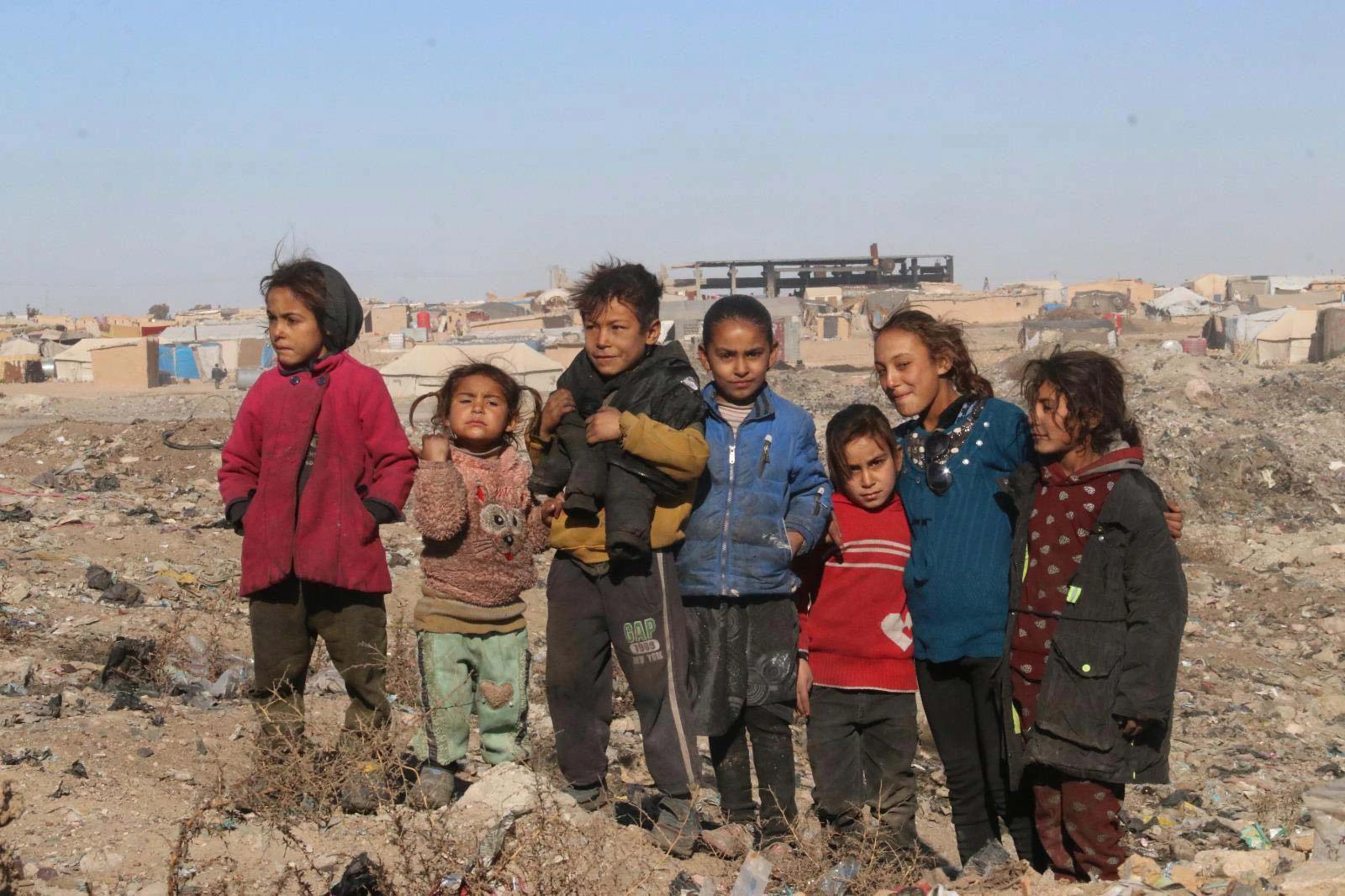
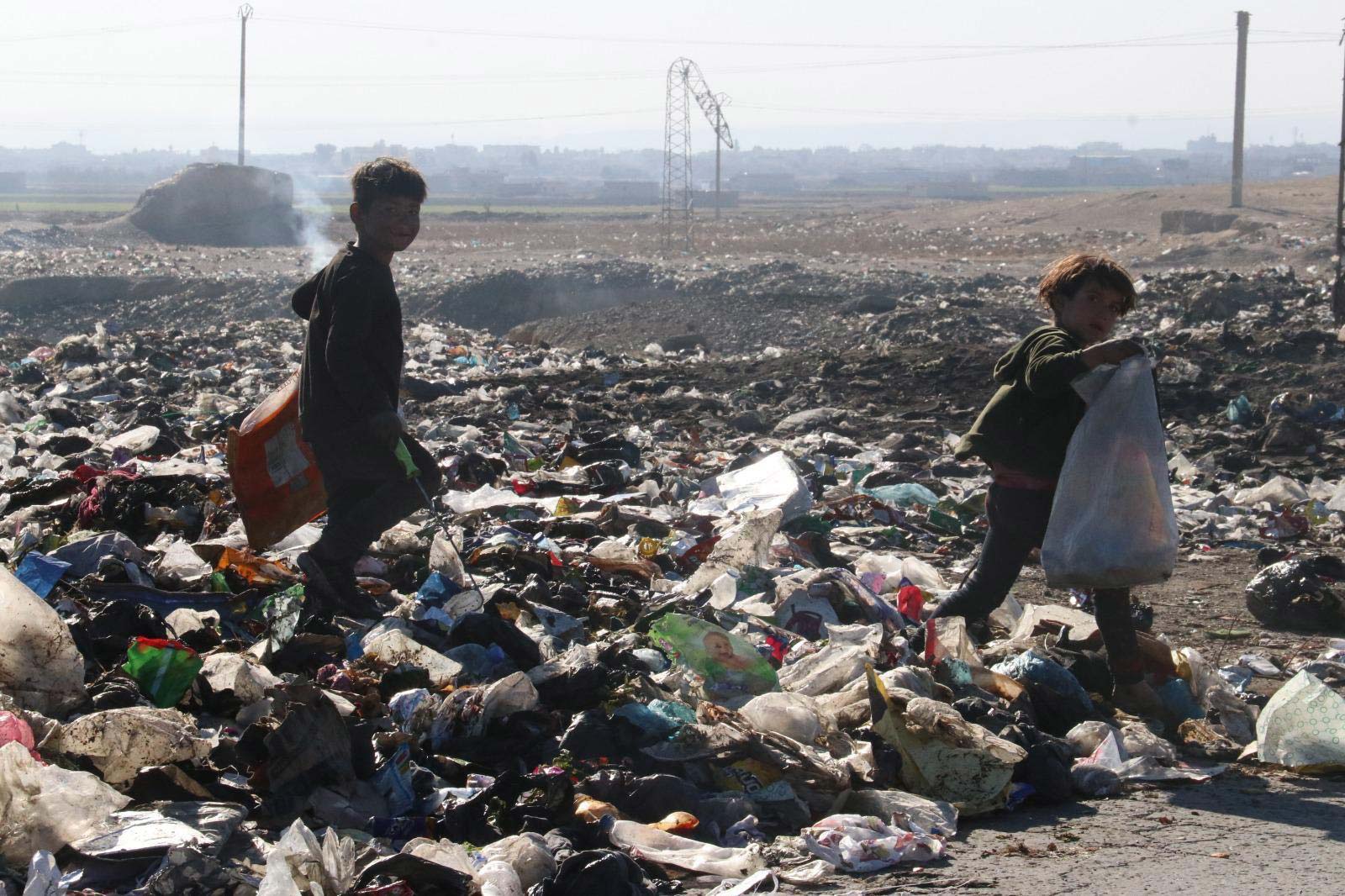
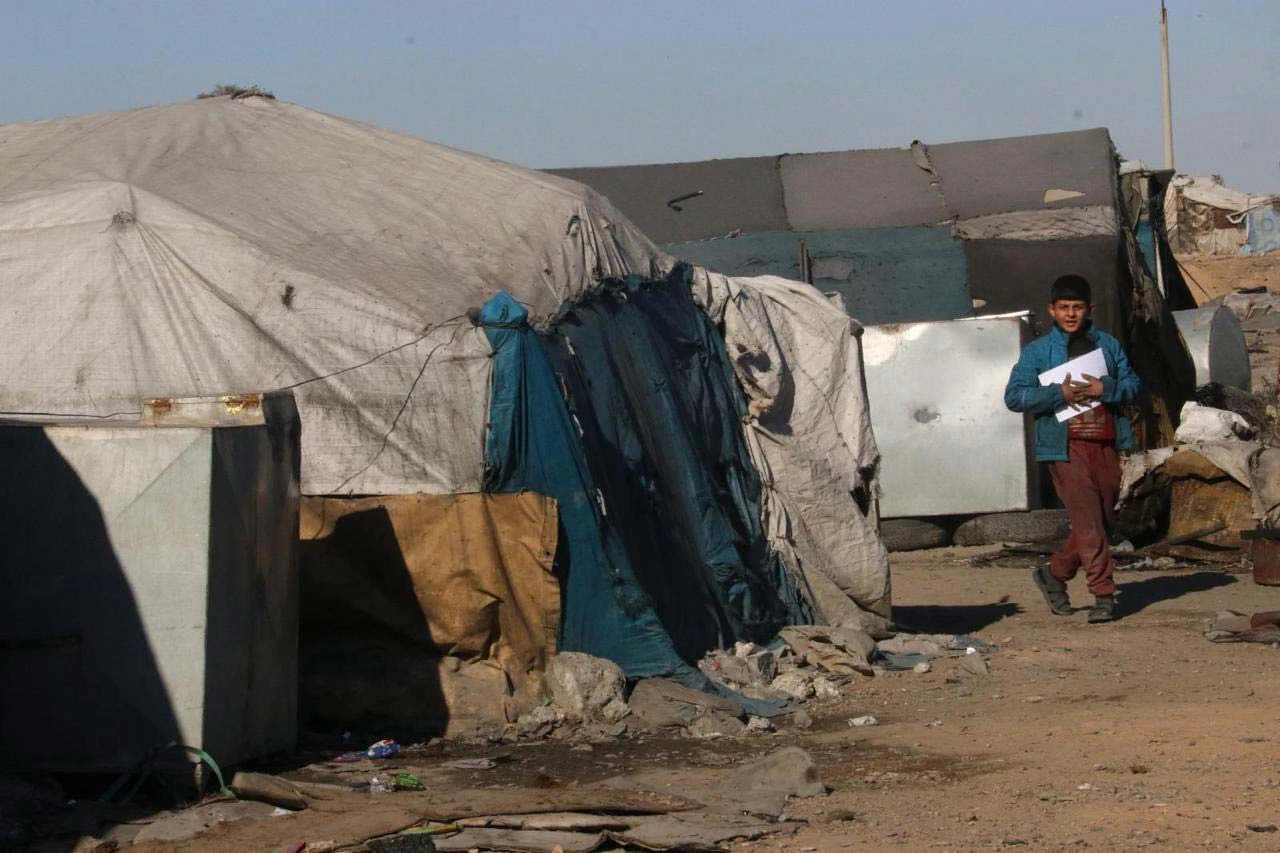
The missions in Raqqa and Deir ez-Zor made it possible to observe the children’s situation first-hand. The camps covered by HuSoMe alone are home to around 15,000 children. Some of them are forced to work sorting waste, which exposes them daily to major health risks.
The lack of medical follow-up, poor access to drinking water, very degraded hygiene conditions and recurring outbreaks of cholera add to their vulnerability. This situation is one of the main reasons for HuSoMe’s presence in the region.