Primary care points in Gaza
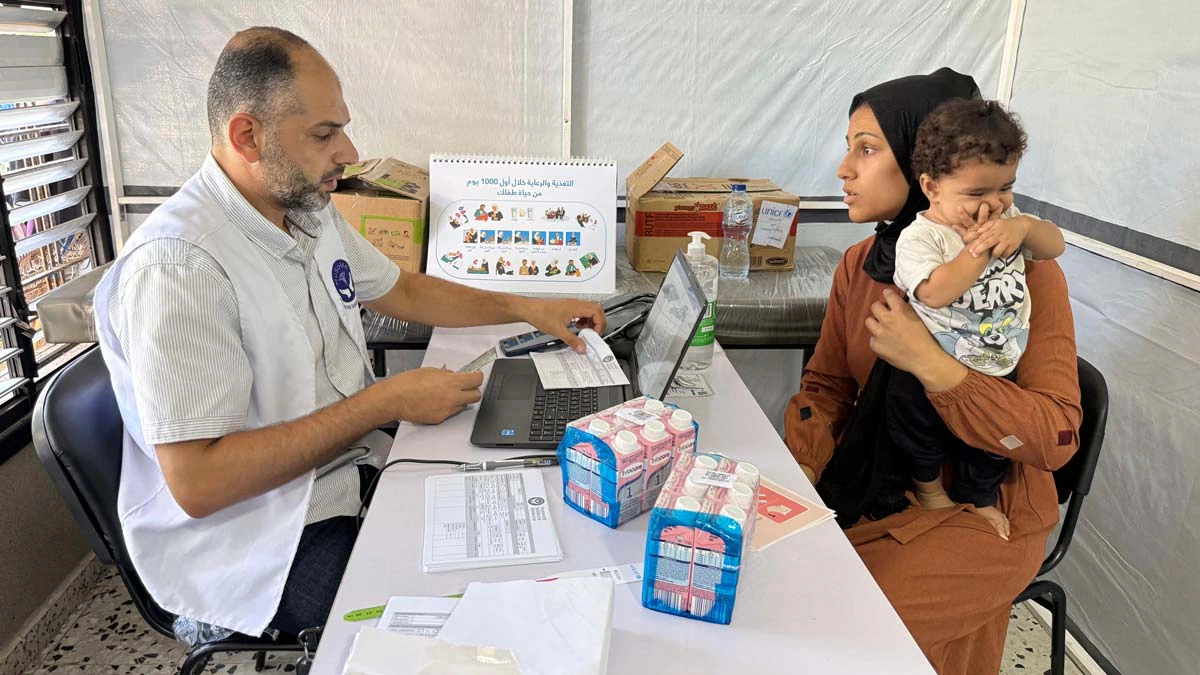
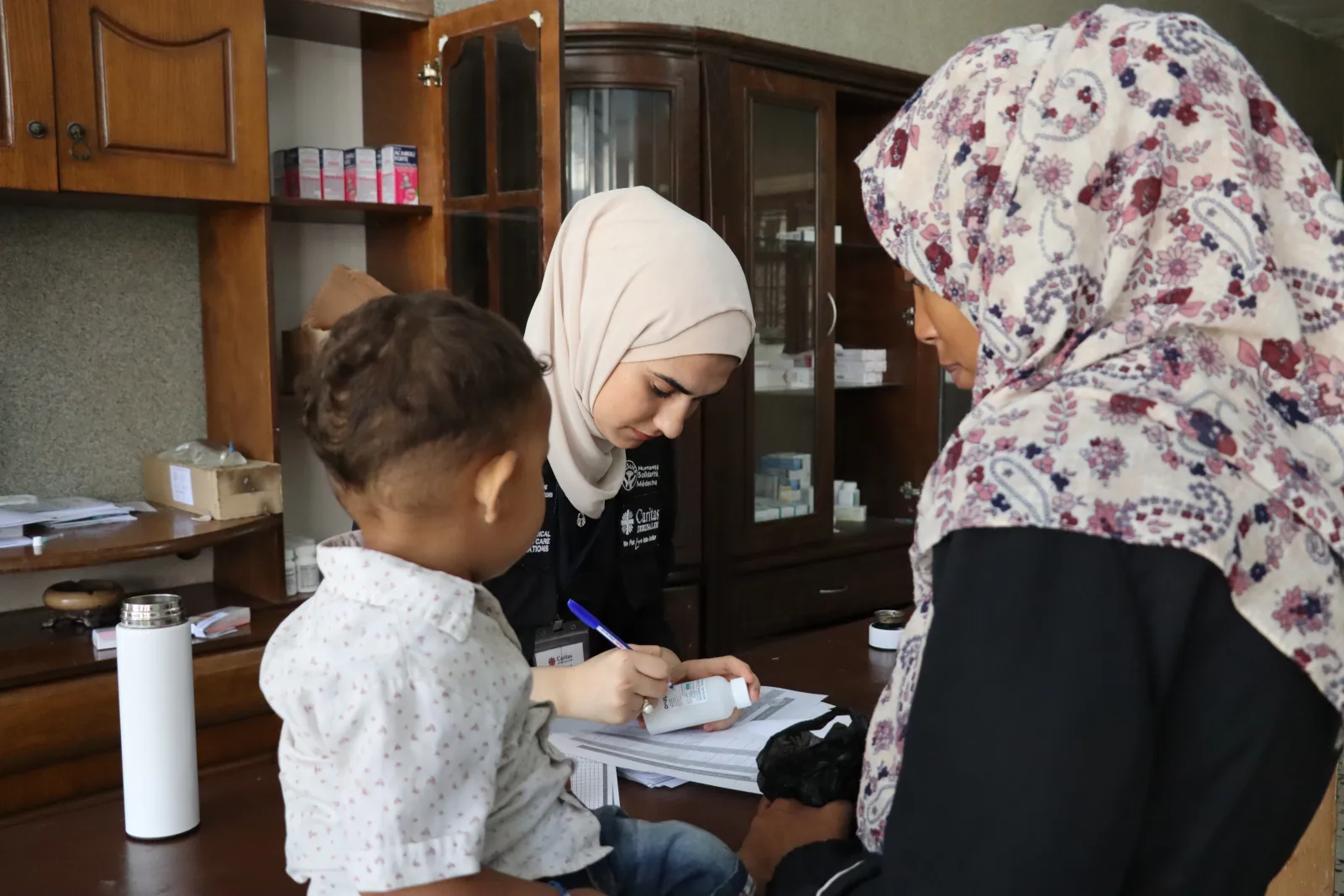
The medical points are the core of the organisation’s health set-up in Gaza. It grew from a single point in Nuseirat to four care points — Nuseirat, Deir al-Balah, Mawasi and Khan Younis — fully self-funded by HuSoMe since October 2025.
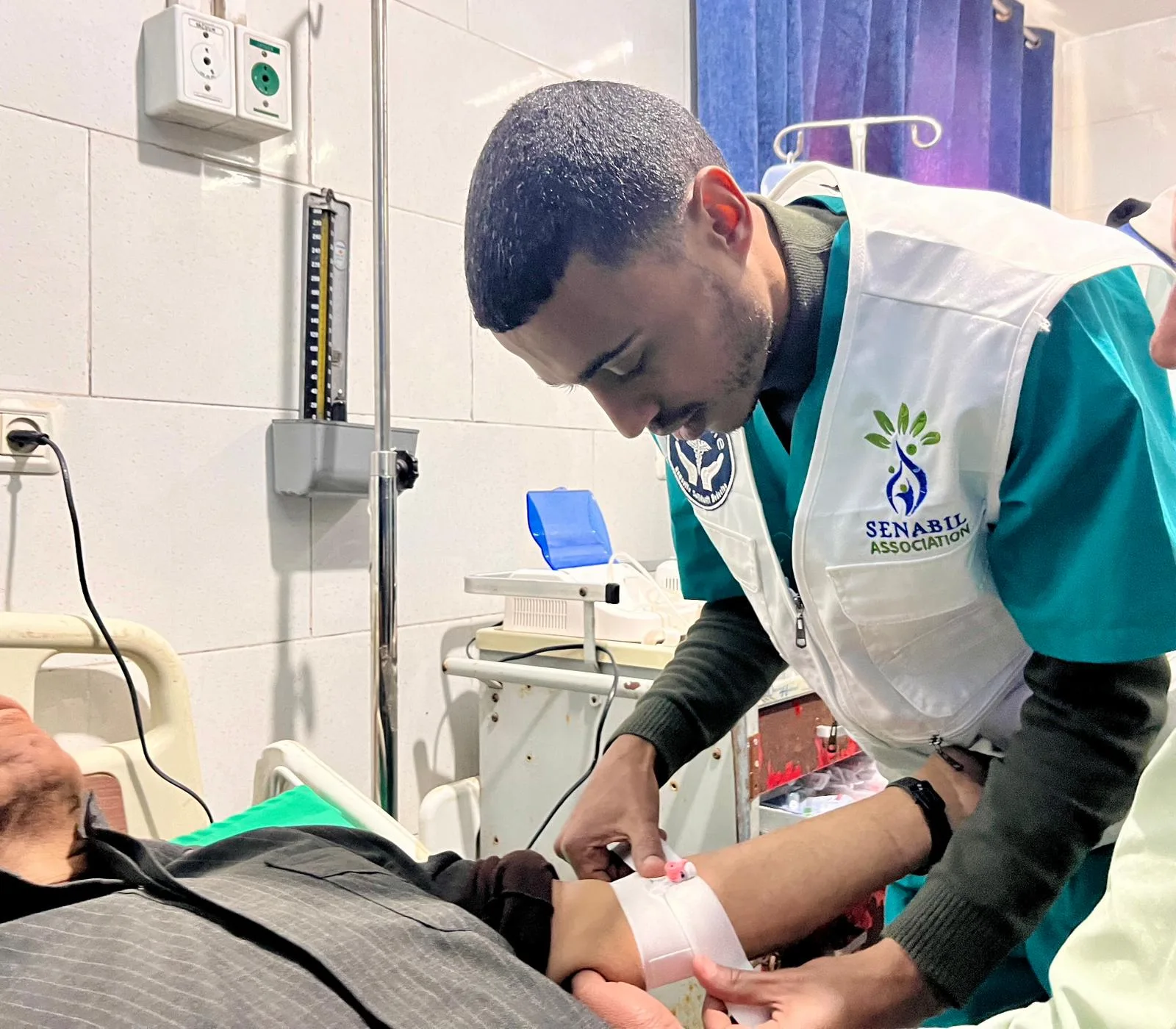
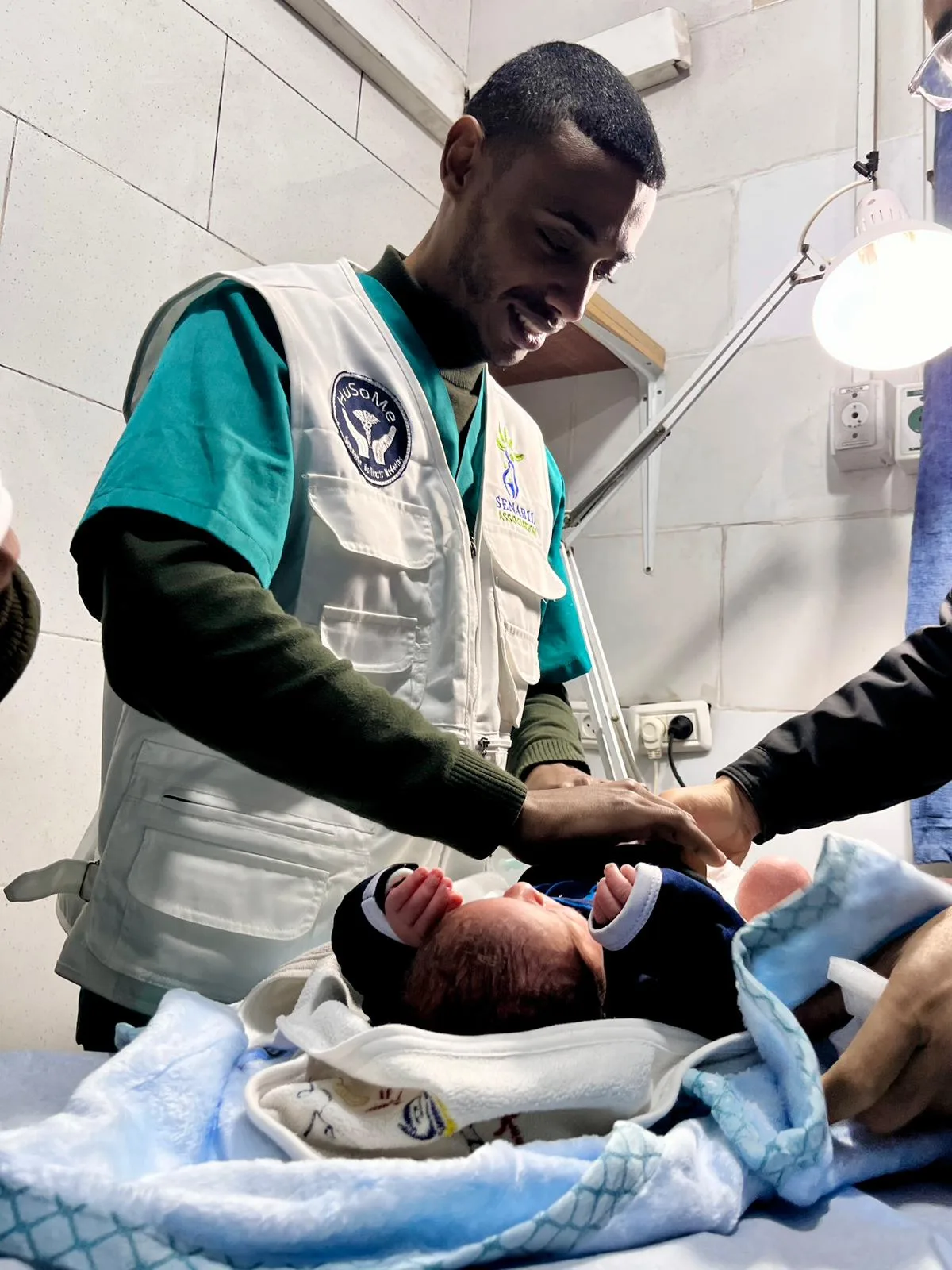
From October 2025 to January 2026, the four points carried out 20,000 consultations for 16,000 different people. Women and children make up the majority. Services include general medical consultations, nursing care, wound dressing, emergency care, sexual and reproductive health provided by an obstetrician-gynaecologist, treatment for malnutrition and free dispensing of medicines.
The conditions treated are dominated by respiratory infections, fuelled by overcrowding in the camps, skin diseases and gastrointestinal illnesses. Hypertension and diabetes account for a significant share of consultations and raise the challenge of continuity of care when supplies are unstable. Medicine coverage reached about 88% of patients.
Training medical staff
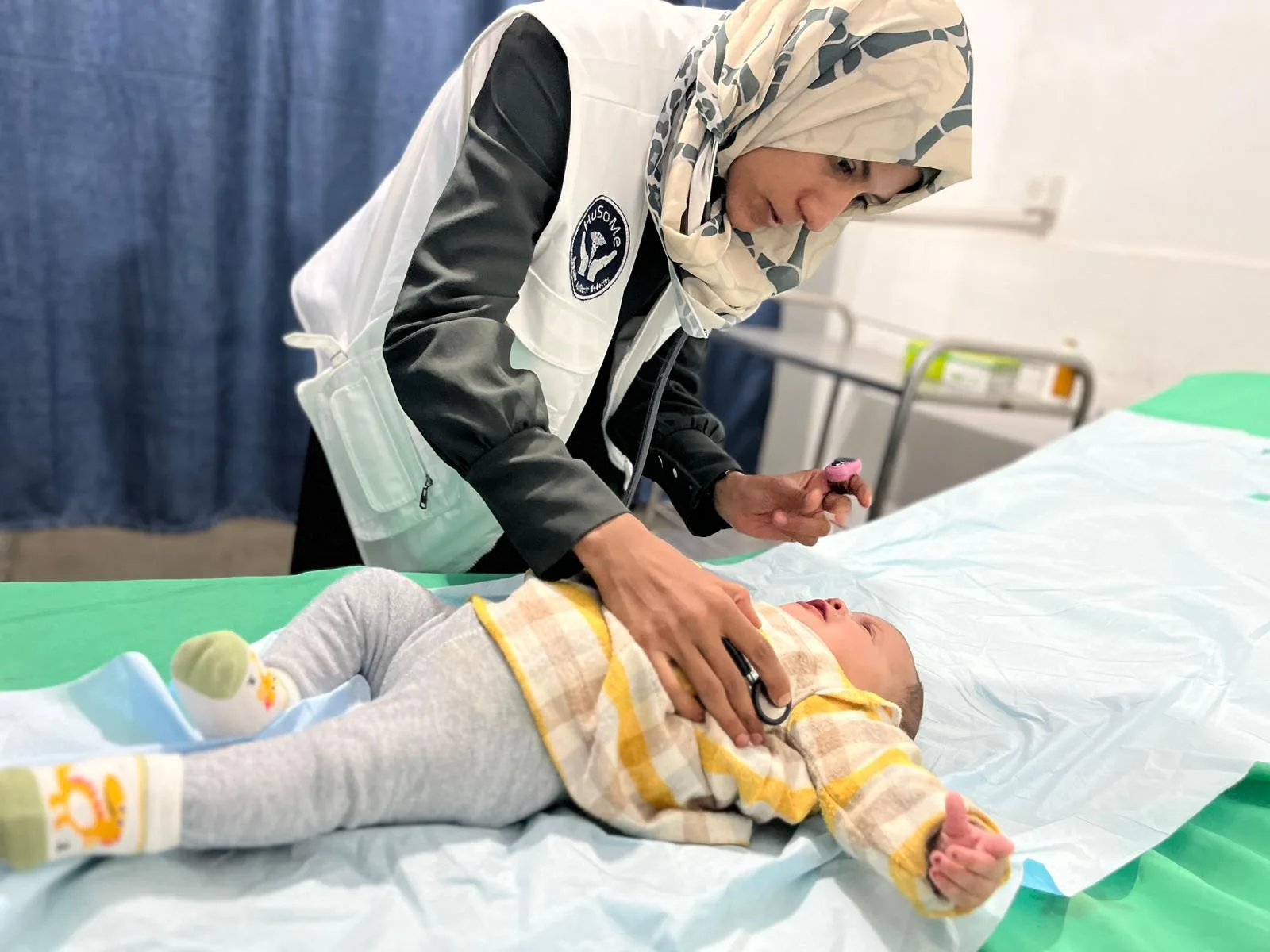
To serve patients well, HuSoMe places great importance on training medical staff. Here, the expert Dr J. Alhessi trains the doctors of our four medical units.
Chronic diseases: follow-up that cannot stop
The collapse of the health system has not made pre-war conditions disappear: it has taken away the regular follow-up that patients depend on. Hypertension or diabetes without continuous treatment does not stabilise — it gets worse.
From October 2025 to January 2026, the medical points treated 3,008 cases of hypertension, 1,177 cases of type 2 diabetes and 674 cases of cardiovascular disease. This care depends on a regular supply of treatments, in a context where supply is anything but regular.
Vaccination and malnutrition screening
Routine vaccination coverage has largely collapsed in Gaza since the start of the war. Vaccination sessions are held at two of the medical points, one day a week, with the Palestinian Ministry of Health and UNICEF.
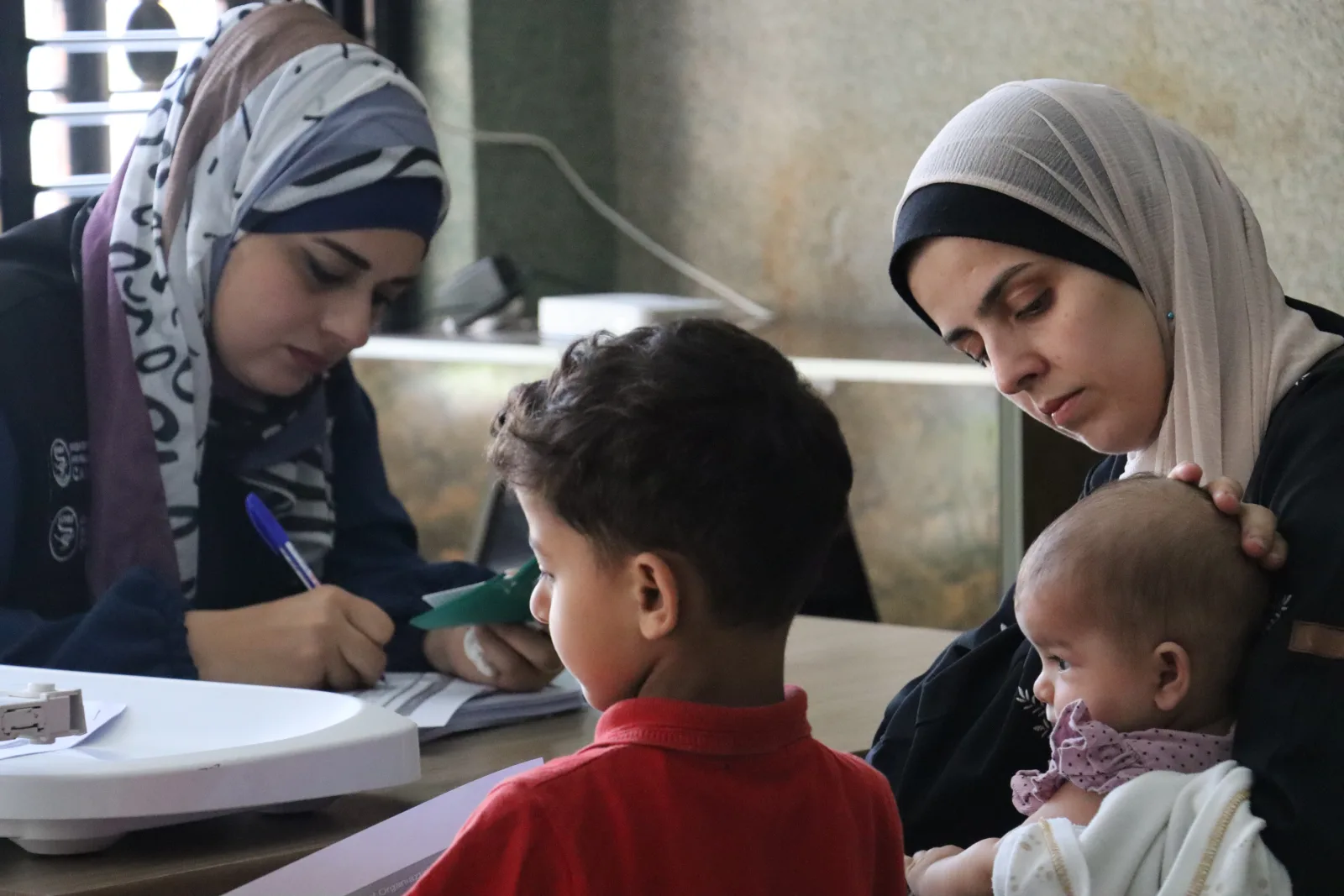
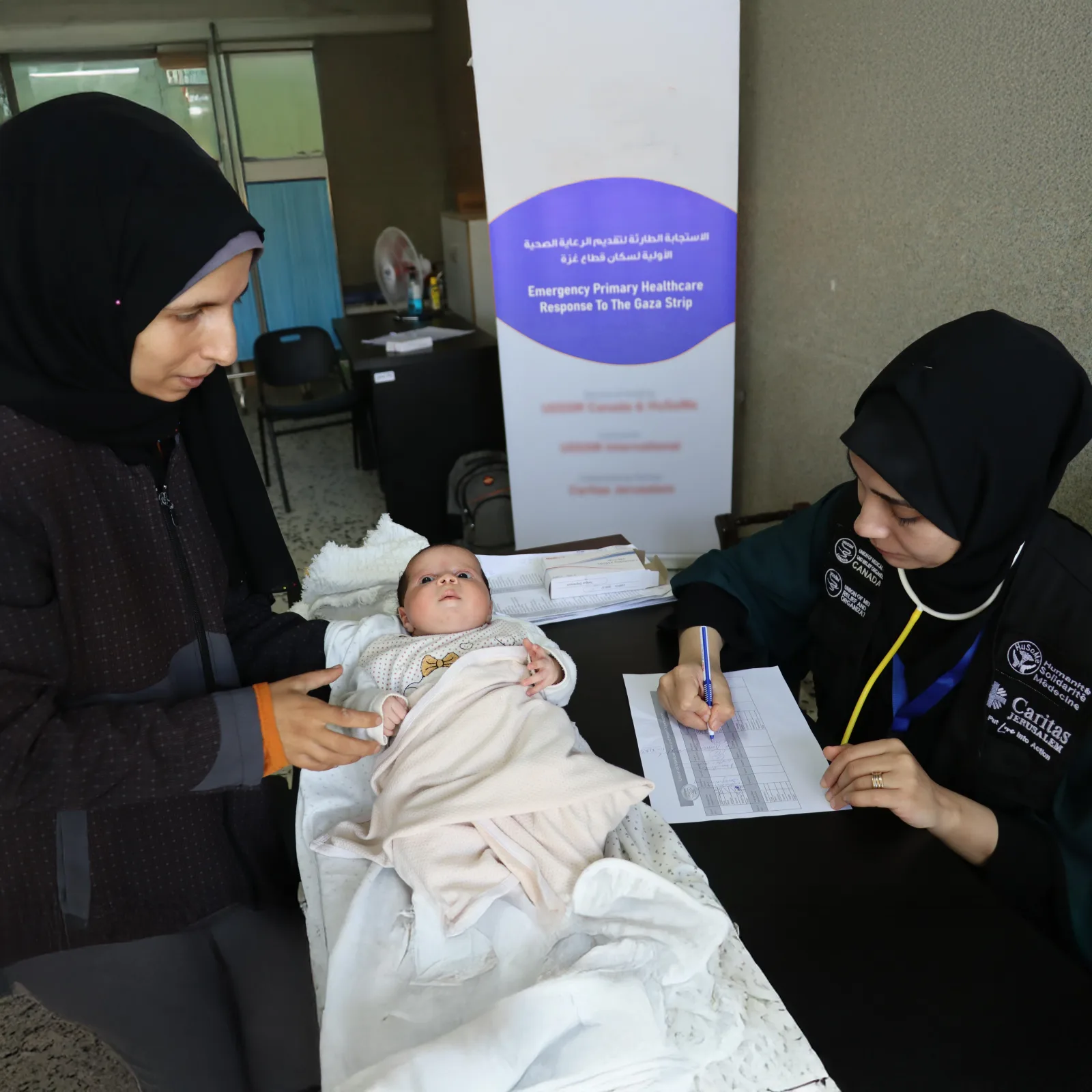
Malnutrition screening relies on measuring mid-upper arm circumference and distributing ready-to-use therapeutic food supplied by UNICEF. The famine declared in 2025 made this work central: the moderate malnutrition that affected most of the children followed became severe from March onwards.
From October 2025 to January 2026, 1,841 children were screened across all the medical points. 113 of them had acute malnutrition, a prevalence of 6%: 87 in its moderate form, 26 in its severe form — the one that is life-threatening and requires immediate treatment.
Screening pregnant and breastfeeding women
The same screening is carried out for pregnant and breastfeeding women, by measuring mid-upper arm circumference: below 23 centimetres, malnutrition is confirmed.
Over the same period, 393 women were screened and 77 cases detected — a prevalence of 20%, one woman in five. A malnourished mother puts the child she is carrying or breastfeeding at risk: this screening is as much an act of paediatric prevention as of maternal care.
The night shift at the Yafa hospital emergency department
Pressure on emergency departments has reached unprecedented levels, and many hospitals can no longer provide full cover, especially in the evening.
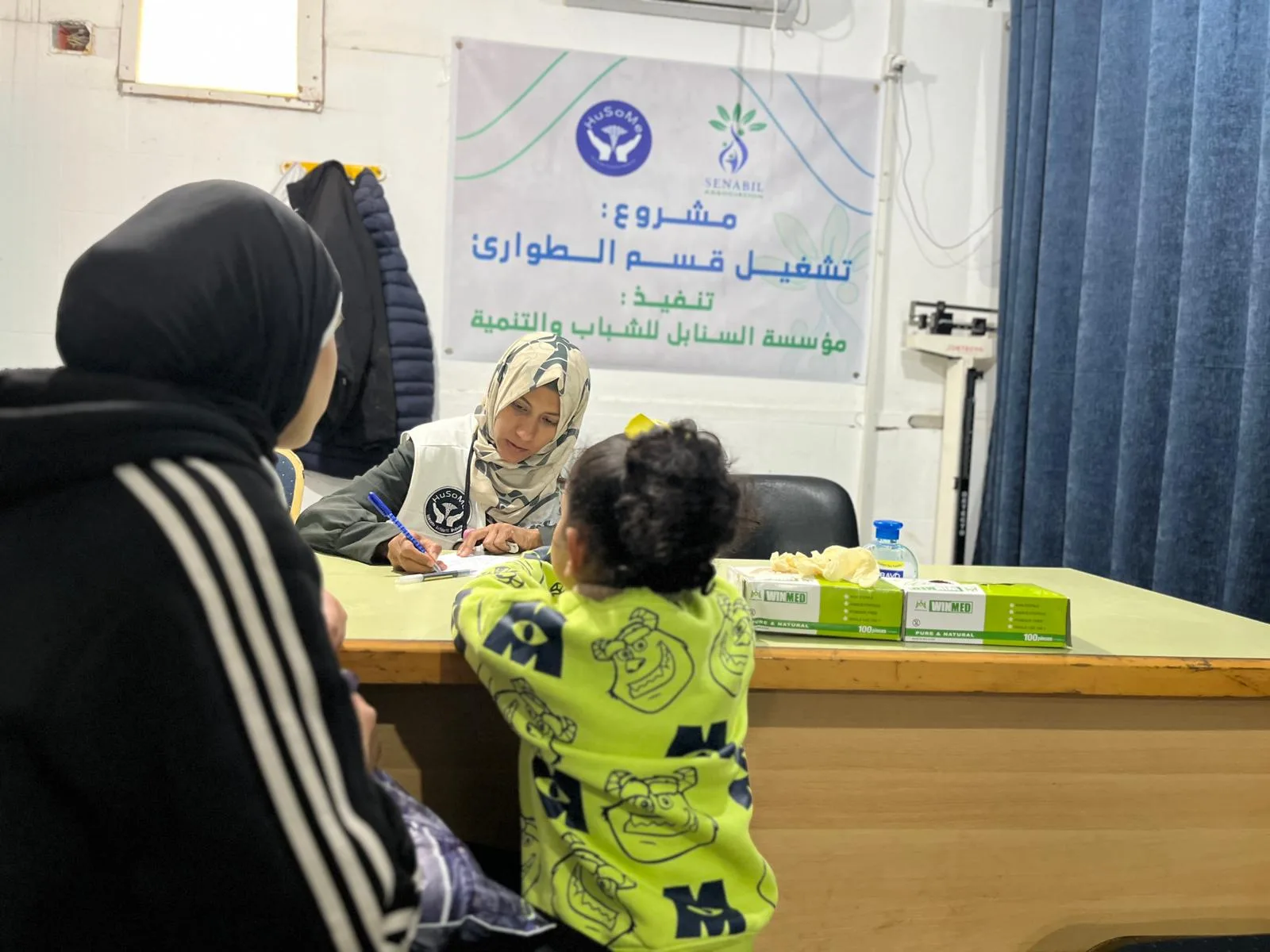
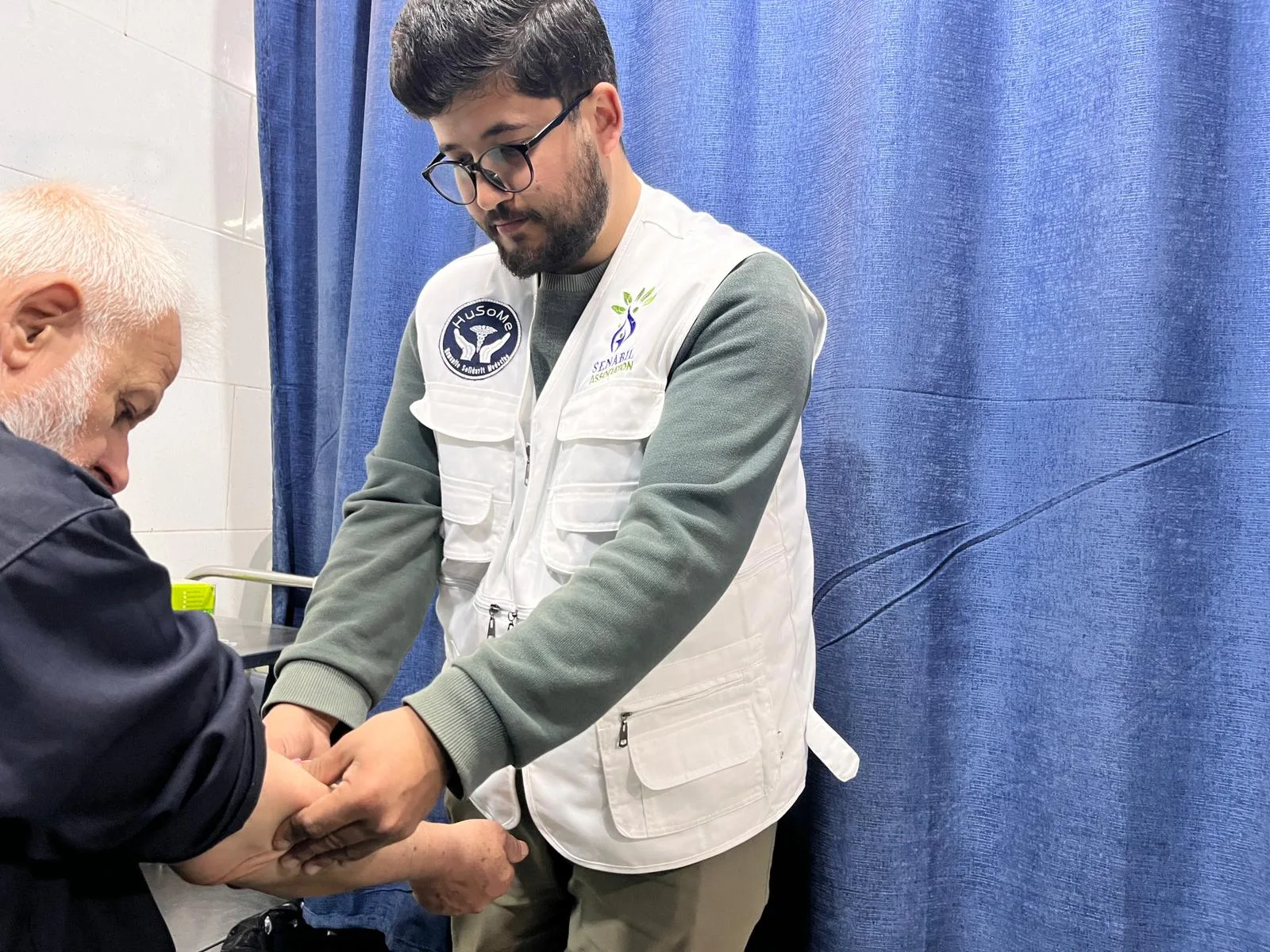
With the Senabil Foundation and Yafa hospital in Deir al-Balah, HuSoMe funds the running of the emergency department during the night shift, six days a week. The contribution covers only the salaries of seven people: two emergency physicians, three nurses, a medical supervisor and a maintenance worker. The premises, equipment and ambulance are provided by Senabil and the hospital.
The department sees around seventy patients a night, i.e. 5,810 patients between 15 October and the end of 2025.
The IBSAR programme, in Syria
In the displacement camps of Deir ez-Zor and Raqqa, the IBSAR programme corrects the eyesight of children and adults. A first pilot phase had identified two dominant conditions there: cataracts in adults and strabismus in children.
The second round, extended to both cities, enabled 1,699 consultations and the distribution of 506 pairs of glasses. A third round is in preparation, with tighter selection criteria after it was found that some surgical procedures did not systematically benefit people in need.