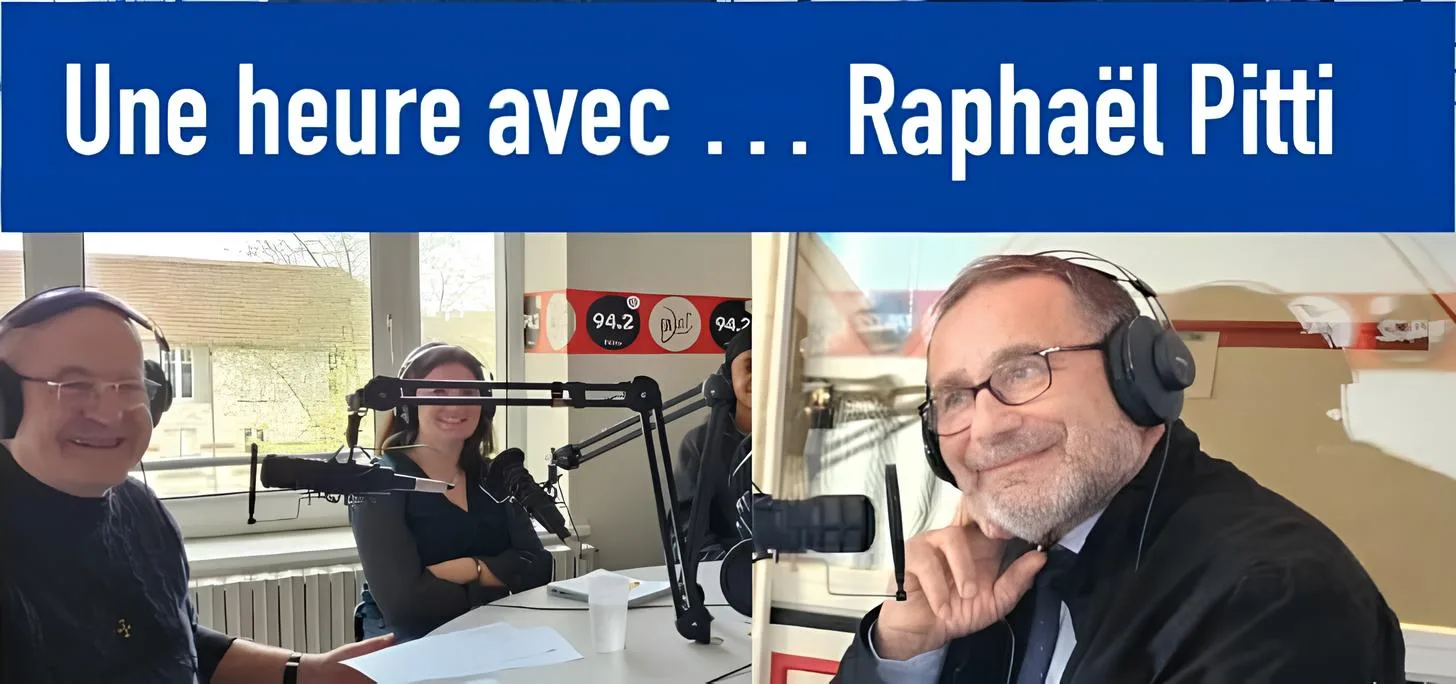
In this video from a long, intimate radio programme on Radio Fajet Nancy, Professor Raphaël Pitti, emergency and humanitarian doctor, gives a rare and deeply human testimony. Through the story of his childhood, his exile, his vocation and his commitments in theatres of war, he sheds light on the roots of a career entirely devoted to medical emergencies and the defence of human dignity. This personal account, far from any glorification, helps us understand what shapes a humanitarian doctor.
A childhood marked by war and exile
Born in Oran, Algeria, into a family of Italian origin, Raphaël Pitti grew up amid war, violence and instability. A solitary child, he was confronted very early with traumatic scenes: bombings, shootings, people killed in the street, daily fear. The Algerian War left a lasting mark on how he sees the world — not by feeding hatred, but by teaching him from childhood that violence breeds violence.
In 1962, he lived through the exodus of the Pieds-Noirs and experienced life as a refugee, fleeing Algeria with his mother and sisters. The anxious wait for news of his father, the arrival in France, the welcome from the Red Cross and precarious living conditions left a deep imprint. At only 12, he went through a period of great loneliness and psychological distress.
The birth of a medical vocation
At 15, a certainty took hold of him: he would be a doctor. This spontaneous but unshakeable decision became a true compass for his life. With no medical role model in his family and little money, he repeated a year, worked as a school supervisor, became a volunteer firefighter and pursued his medical studies in Nice in difficult conditions.
This perseverance illustrates a strong message of the video: when a vocation is clear, it gives meaning to sacrifice. For Raphaël Pitti, becoming a doctor was not a social ambition but an inner necessity.
Emergency medicine as a professional calling
Initially drawn to a more technical specialty, he gradually realised that his place was in emergency medicine. Resuscitation, immediate intervention, facing the gravest situations became self-evident to him. His commitment to the army marked a new stage: he practised as a doctor with the troops, while building unique experience of extreme situations.
The Gulf War was a major turning point. Faced with the real prospect of death, he went through deep questioning, followed by a decisive inner peace. This experience strengthened his conviction that he had to put his life in order and remain true to who he really is.
Humanitarian doctor and witness to conflict
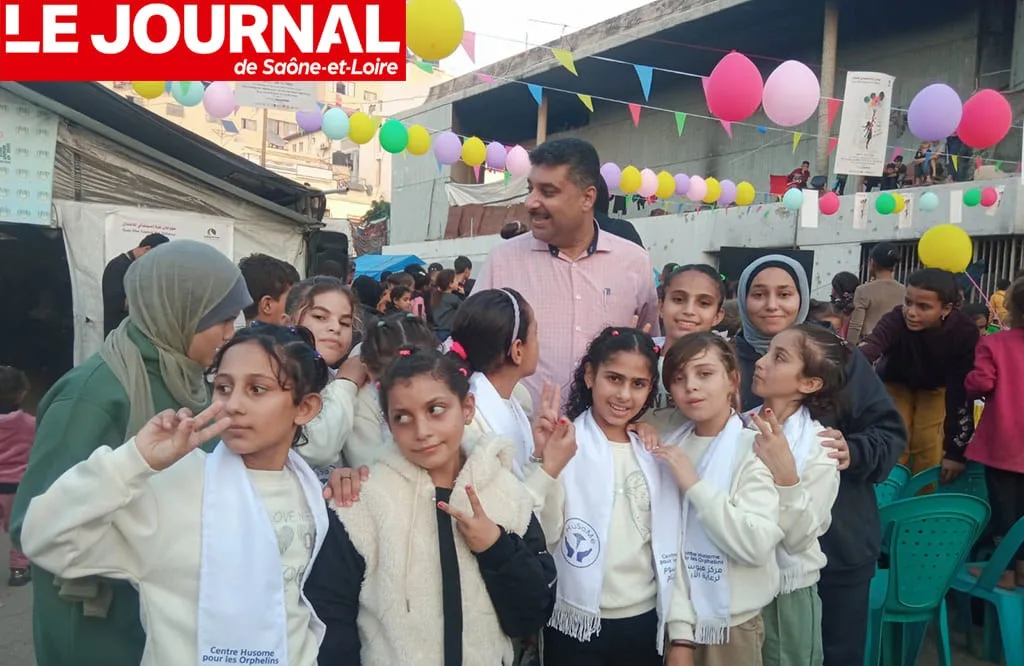
Over the years, Raphaël Pitti has worked in many theatres of war: Africa, Syria, Ukraine, Gaza. He explains that what drives him is neither heroism nor the lure of danger, but the need to be alongside civilian populations, the women and children who suffer violence they never chose.
For him, being a humanitarian doctor means treating people, but also bearing witness, refusing indifference and recalling that human dignity cannot be erased, even at the heart of the most brutal conflicts.